

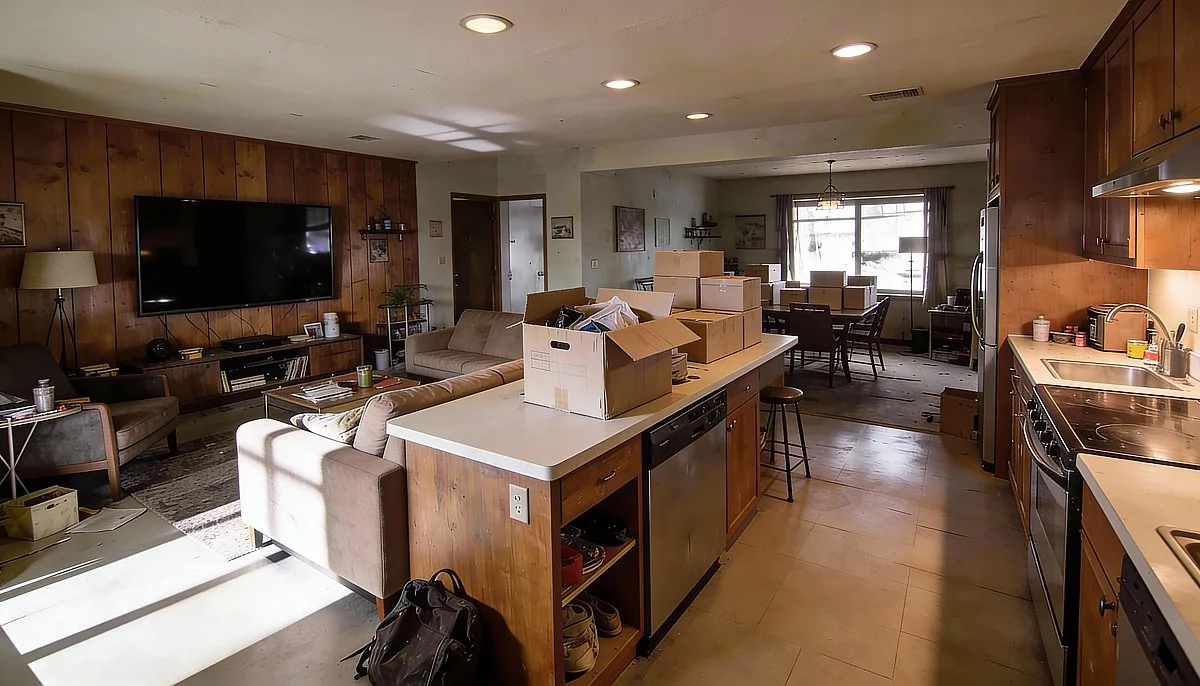
Getting started is simple! We come out to you and provide an initial valuation estimate of the abandoned items.
With years of auction knowledge, we can accurately estimate the value of abandoned property. Our specialized areas include audio visual, lighting, IT, pharma, and technology. We can provide a summary appraisal for items under the threshold ($700 for residential property in California).
Our process maximizes profits by preparing assets with professional cleaning, photography, and description detail.
We conduct a detailed inventory with full descriptions, high resolution photos, and videos to mitigate future claims. To maximize auction profits, we prepare items taking time to accurately list. The result is there are no surprises for buyers, and lots command a higher hammer price.
Auctions are hosted on our state-of-the-art online platform with targeted social media and mailings used to drive traffic.
Our auction platform has succesfully sold over 100 million items, and can conduct webcast or online only auctions. We use advanced marketing techniques to generate traffic to the auction site, with quality buyers who are searching for your items. The result is more bidders and more bids!
Get your property back fast! We conduct onsite or offsite auctions, and can include site clean up as part of our service!
If you have a new tenant interested in moving in, we can remove abandoned assets for an offsite auction, providing faster turnaround of the property. Additional services are available if required post-auction incuding site cleanup, signage removal, and repainting via licensed contractors.
Residential Abandoned Property Auctioneer Services
Residential abandoned property situations arise when personal belongings
remain after possession has been regained, either through eviction or when abandonment is established
through the required notice process. In many cases, this involves tenant property left behind after
eviction, where handling must follow a defined statutory framework that controls how inventory,
valuation, notice, and disposition occur before the unit can be cleared.
The process is structured and time-dependent, with notice, holding periods, and disposition requirements that must be followed in sequence. While these cases are generally more standardized than commercial matters, they remain exact in their requirements, and small deviations in timing, notice, or documentation can interrupt the process, create delays, or require steps to be repeated before the unit can be returned to service.
When Residential Abandoned Property Laws Apply
Residential abandoned property laws apply once possession has been regained and personal property remains, either following a completed eviction or after abandonment has been established through the required notice process. At that point, the property is no longer treated as unclaimed or disposable, and specific statutory requirements determine how it must be handled.
Establishing that trigger correctly defines when the process begins and what obligations follow. Acting too early or treating property as disposable before abandonment is properly established can disrupt the process, particularly where tenant property left behind after eviction has not yet reached the stage where notice and holding requirements apply.
A Standardized But Exacting Process
Residential cases typically follow a more consistent structure than commercial matters, which makes the process easier to recognize but not easier to execute. The sequence remains fixed, and each step must be completed in the correct order before moving forward, regardless of how straightforward the situation may appear.
The process depends on consistently executing a core set of required steps:
- Establishing abandonment before the statutory process begins
- Appraisal to establish value and determine the correct path
- Serving the Notice of Right to Reclaim where required
- Publication where a sale notice is required
- Auction or disposal based on the required disposition path
Because the process is standardized, mistakes tend to occur in predictable areas, particularly where timing or notice requirements are misunderstood. Even small deviations can restart timelines, extend holding periods, or delay when the unit can be lawfully cleared and returned to service. While commercial cases introduce additional complexity around asset type and ownership, those differences are addressed in Commercial Abandoned Property Services.
Inventory, Documentation & Valuation
Documenting what was left behind establishes the record that supports the entire process. Inventory and photographic documentation define what remains, inform notice content, and provide a reference point for how the property was ultimately handled. Without that baseline, it becomes difficult to demonstrate what was present or how decisions were made.
Valuation may be required depending on jurisdiction and value thresholds, and even where not mandated, it supports consistent decision-making about disposition. This is particularly important in cases involving tenant property left behind after eviction, where value determines whether items may be disposed of directly or must be sold. The relationship between value and required handling is addressed in Value Thresholds.
Notice, Holding & Disposition
Once property has been documented, required notices must be served to provide former occupants with an opportunity to reclaim their belongings. These notices define tenant rights and establish the timeline that controls when the process can move forward, and must be completed correctly before any disposition can occur.
Holding periods must be observed in full, regardless of the condition or perceived value of the property, and cannot be shortened without breaking the sequence that supports lawful disposition. Only after notice and holding requirements have been satisfied can disposition occur, and the method used must align with value and jurisdiction. The mechanics of how property is ultimately handled are outlined in How Auctions Work.
Where Residential Cases Break Down
Residential abandoned property cases most often break down when the process is treated as informal clean-out rather than a structured sequence tied to notice and timing. Assumptions about urgency, value, or tenant intent can lead to decisions that bypass required steps before the process has been properly completed.
- Discarding or removing items before notice requirements are satisfied
- Selling items before notice and holding requirements are satisfied
- Misunderstanding or shortening required holding periods
- Incomplete or inconsistent documentation
- Selecting a disposition method without confirming value
These issues typically result in delays, rework, or the need to restart portions of the process. Once the sequence is disrupted, the final handling is no longer supported by a complete record, which can extend timelines and delay when the unit can be lawfully returned to service. This is particularly relevant in cases involving tenant property left behind after eviction, where timing and documentation directly control the outcome.
Lease-Ready Turnaround
Returning residential units to service quickly is often a primary objective, but that objective must be aligned with completing the process correctly. Coordinating documentation, notice, and disposition with cleanup and preparation allows the unit to move forward without creating issues that delay re-rental.
This approach is addressed in Lease-Ready Turnaround Services, where final clearance and preparation are aligned with the completed process to support efficient turnover.
When To Involve MEGA Auctions
Residential abandoned property services are most effective when engaged early, before decisions are made that affect notice, valuation, or disposition. Once steps are taken out of sequence, correcting the process often requires revisiting earlier stages, which introduces delay and can complicate how the outcome is supported.
Situations involving uncertainty around notice requirements, value thresholds, or timing benefit from early coordination, because those factors determine how the process must be handled from the outset. This is especially important where tenant property left behind after eviction is involved, as early control helps preserve options and maintain compliance throughout the process.
Let’s Talk
If you’re dealing with residential abandoned property and want clarity on next steps, risk considerations, or timelines, we’re happy to help.