

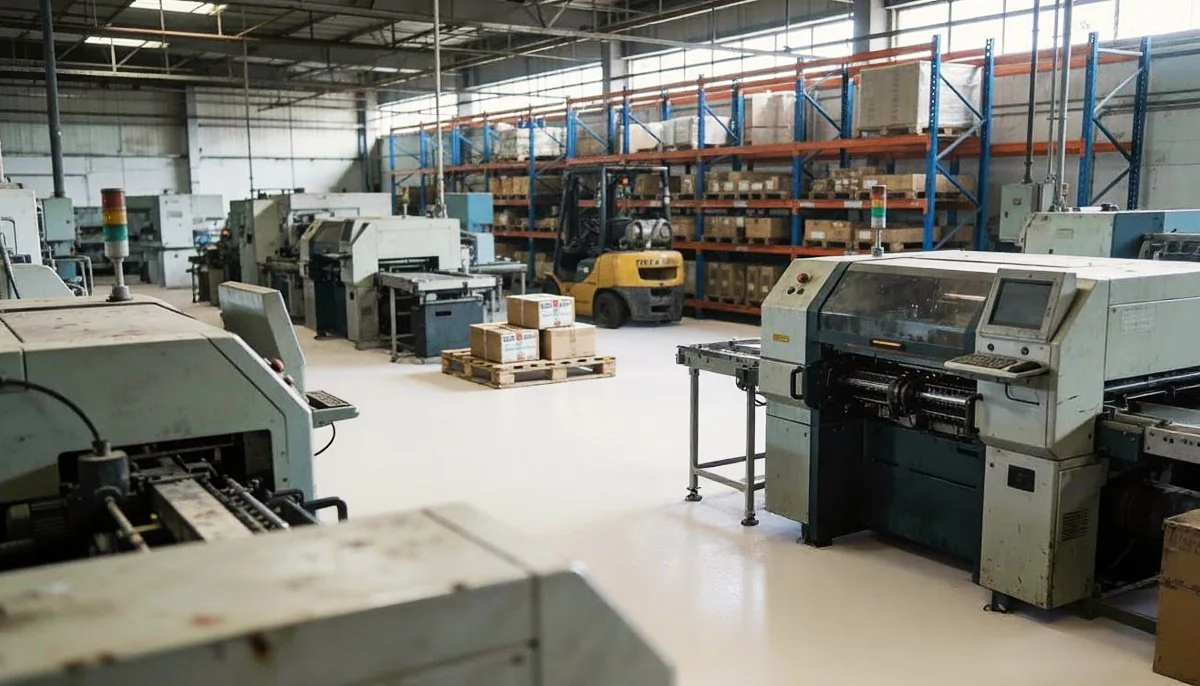
Getting started is simple! We come out to you and provide an initial valuation estimate of the abandoned items.
With years of auction knowledge, we can accurately estimate the value of abandoned property. Our specialized areas include audio visual, lighting, IT, pharma, and technology. We can provide a summary appraisal for items under the threshold ($2,500 for commercial property in California).
Our process maximizes profits by preparing assets with professional cleaning, photography, and description detail.
We conduct a detailed inventory with full descriptions, high resolution photos, and videos to mitigate future claims. To maximize auction profits, we prepare items taking time to accurately list. The result is there are no surprises for buyers, and lots command a higher hammer price.
Auctions are hosted on our state-of-the-art online platform with targeted social media and mailings used to drive traffic.
Our auction platform has succesfully sold over 100 million items, and can conduct webcast or online only auctions. We use advanced marketing techniques to generate traffic to the auction site, with quality buyers who are searching for your items. The result is more bidders and more bids!
Get your property back fast! We conduct onsite or offsite auctions, and can include site clean up as part of our service!
If you have a new tenant interested in moving in, we can remove abandoned assets for an offsite auction, providing faster turnaround of the property. Additional services are available if required post-auction incuding site cleanup, signage removal, and repainting via licensed contractors.
Commercial Abandoned Property Auctioneer Services
Commercial abandoned property situations arise when business assets, equipment, or inventory remain after possession has been regained, either through eviction or when abandonment is established through the required notice process. In many cases, this involves tenant property left behind after eviction, where the handling of assets must follow a defined statutory framework that controls how inventory, valuation, notice, and disposition occur before the space can be cleared.
While the same sequence applies across all abandoned property cases, commercial matters introduce additional complexity in how that process is executed. Higher-value assets, layered ownership interests, and increased scrutiny mean that decisions must be supported by more detailed documentation and deliberate coordination to ensure the outcome remains aligned with the governing process.
Commercial Abandoned Property Risk Factors
Commercial abandoned property cases carry more risk because the assets, parties, and decisions involved are often more complex than in a standard residential matter. Larger asset pools, business-use property, and uncertainty around how items should be handled can increase financial exposure and make later challenges more difficult to defend.
Risk exposure in commercial cases most often arises from conditions that affect valuation, ownership, and how the property is treated before and during disposition:
- Higher-value assets and equipment
- Unclear or mixed ownership of property within the space
- Partial removal of items before valuation and threshold determination
- Disposition decisions that may later be challenged as improper handling
Each of these factors can directly affect whether the correct process is followed. High-value items can change the required disposition path, ownership uncertainty can affect what should be included in the inventory, and partial removal of assets can alter valuation outcomes and threshold application. Where these conditions are not identified early, the process can become misaligned with the actual asset base, increasing the likelihood of disputes, rework, or additional cost later in the process.
How The Commercial Process Typically Differs
The same structured sequence of inventory, valuation, notice, and disposition still applies, as outlined in Abandoned Property Process Overview. The legal framework does not change simply because the assets are larger or more complex, and each step must still be completed in the correct order before moving forward.
What changes is how that framework is applied in practice. Larger inventories, higher-value assets, and additional parties introduce complexity into each stage of the process, requiring more detailed documentation, more deliberate valuation, and closer coordination to ensure that the outcome remains aligned with the governing structure. While residential cases follow a more standardized path with tighter timing control, those differences are addressed in Residential Abandoned Property Services.
Areas Requiring Additional Control
Commercial abandoned property cases also involve situations where the standard process must be adjusted to account for the nature of the property itself. These are not risk factors in isolation, but categories of property that require additional handling, coordination, or compliance considerations before the process can move forward correctly.
Additional control is most often required where the property includes items that fall outside routine inventory and disposition handling:
- Sensitive documents and confidential records
- Computers and data-bearing devices with privacy exposure
- Vehicles or titled assets that fall outside standard personal property handling
- Hazardous or regulated materials requiring separate disposal methods
These categories affect how property must be handled before standard disposition can occur. Sensitive records and data-bearing devices introduce confidentiality concerns, vehicles are governed by separate legal frameworks, and hazardous materials may require licensed removal or regulated disposal. Where these conditions are not identified early, the process can be delayed or incorrectly applied, even if the underlying abandoned property framework is otherwise followed.
Inventory, Fixtures, & Valuation
Documenting what was left behind involves more than listing items, because it is often necessary to distinguish between personal property, fixtures, and leasehold improvements. This distinction affects both ownership and how items can be handled, particularly where installations or built-in elements may fall outside the scope of abandoned personal property.
Valuation must reflect the full asset group and account for these distinctions, because classification directly affects both value and disposition requirements. Where uncertainty exists, professional appraisal helps ensure that the process is based on a complete understanding of what is present and how it should be treated. The relationship between value and handling is addressed in Value Thresholds.
Secured Creditor & UCC-1 Due Diligence
Assets may be subject to perfected security interests, requiring additional diligence to identify whether third parties have enforceable claims. This often includes reviewing UCC filings and evaluating whether secured creditors have rights that could affect how the property is handled or disposed of. This process is addressed as part of UCC-1 Secured Creditor Handling, where identifying and coordinating with lienholders becomes a critical step in the overall sequence.
Addressing these interests before proceeding with notice or disposition helps prevent later disputes and challenges to the process. This is particularly important where tenant property left behind after eviction may be subject to competing claims, as failure to identify those interests early can interrupt the process, delay lawful disposition, or create conflicts between parties asserting ownership rights.
Notice, Holding & Disposition
Commercial abandoned property remains subject to the same notice and holding requirements that govern other cases, but the scale and value involved increase the importance of completing these steps correctly. Notice must be properly structured and timed, and holding periods must be observed before any disposition can occur, regardless of operational urgency.
Disposition is controlled by valuation, compliance, and jurisdiction rather than convenience. Where a public sale is required, it must reflect the nature and scale of the assets involved while maintaining alignment with the governing process. The mechanics of sale are outlined in How Auctions Work.
Where Commercial Cases Break Down
Commercial abandoned property cases most often break down when the process is treated as informal clean-out rather than a structured sequence tied to notice and timing. Assumptions about urgency, value, or tenant intent can lead to decisions that bypass required steps before the process has been properly completed.
- Discarding or removing items before notice requirements are satisfied
- Selling items before notice and holding requirements are satisfied
- Misunderstanding or shortening required holding periods
- Incomplete or inconsistent documentation
- Selecting a disposition method without confirming value
Once these actions occur, the final outcome no longer reflects what was originally present, and the connection between the process and the result becomes difficult to support. This is especially problematic in cases involving tenant property left behind after eviction, where documentation and sequence are critical to demonstrating proper handling.
Lease-Ready Turnaround
Property owners are often focused on minimizing downtime and returning space to service, but that objective must be aligned with completing the process correctly. Coordinating removal, sale, and site close-out ensures that the transition from disposition to lease-ready condition does not introduce additional delay or cost.
This approach is addressed in Lease-Ready Turnaround Services, where post-disposition cleanup and preparation are aligned with the completed process to support efficient re-leasing.
When To Engage MEGA Auctions
Commercial abandoned property services are most effective when engaged early, before decisions are made that affect valuation, ownership, or disposition. Once steps are taken out of sequence, correcting the process often requires revisiting earlier stages, which introduces delay and complicates how the outcome is supported.
Situations involving higher-value assets, uncertain ownership, or potential secured creditor interests benefit from early coordination, because those factors determine how the process must be structured from the outset. This is particularly important where tenant property left behind after eviction is involved, as early control helps preserve options and maintain compliance throughout the process.
Let’s Talk
If you’re dealing with commercial abandoned property and want clarity on next steps, risk considerations, or timelines, we’re happy to help.